Procedures
-
Hip joints can deteriorate at various stages of life for various reasons, including osteoarthritis, dysplasia, slipped upper femoral epiphysis and Perthes disease.
Total hip replacement is the gold-standard treatment for damaged hip joints. The implant may be fixed with or without cement, depending on individual patient factors.
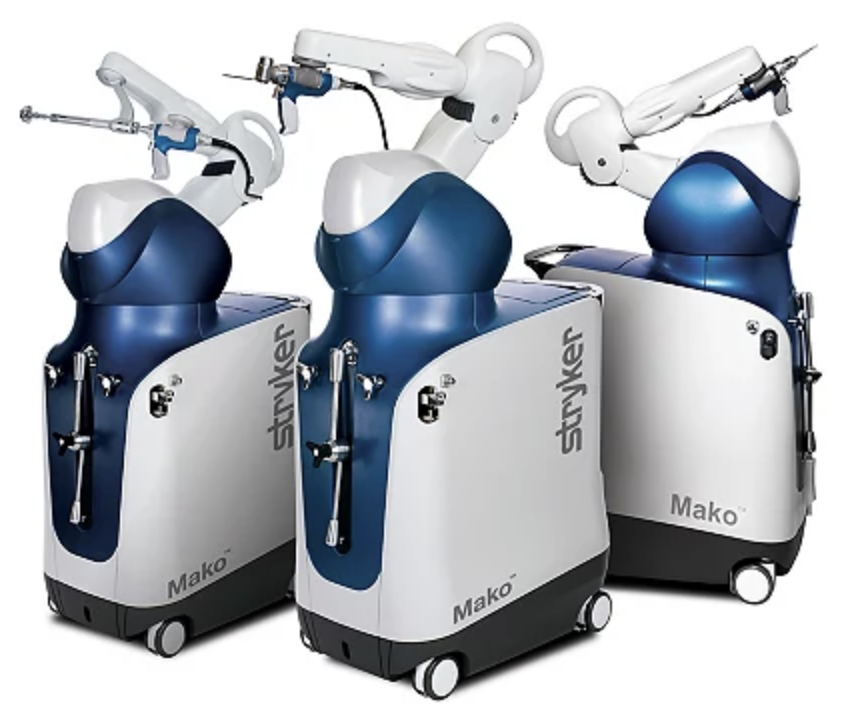
Robotic total hip replacement can be employed to implant the prosthesis more accurately and thus reduce the risk of various complications.
Further information on the Mako robotic hip replacement by Stryker can be found here:
-
Resurfacing is predominantly used for active patients with arthritis and provides better biomechanics and lower dislocation rates than standard total hip replacement. It is also useful for patients who enjoy regular sports or for those in physically demanding professions.
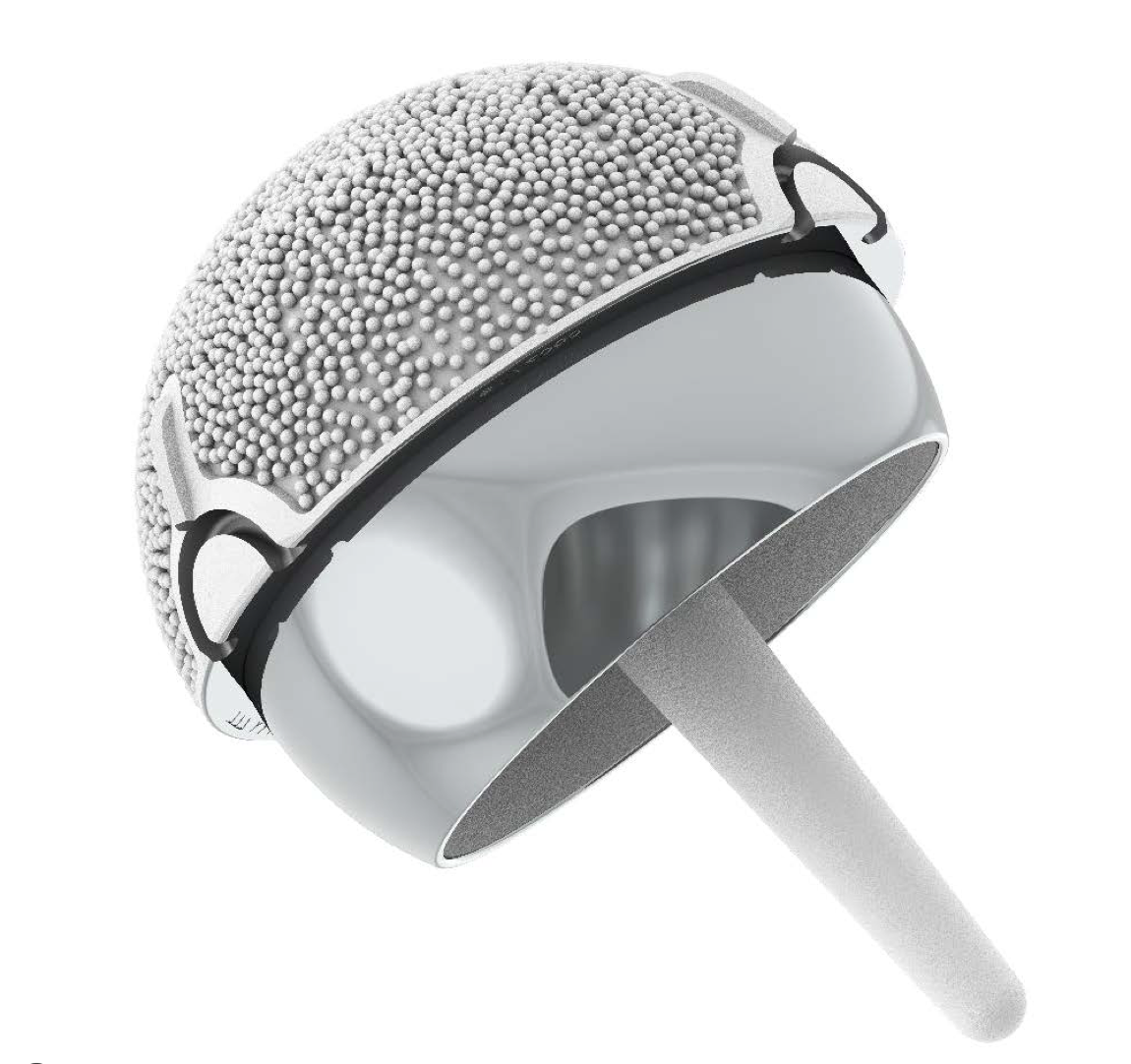
Metal hip resurfacing has, over the past decade, been used primarily in male patients, with good outcomes reported at up to 25 years’ follow-up. Female patients were traditionally not considered suitable due to higher failure rates with metal implants, in line with national guidance.
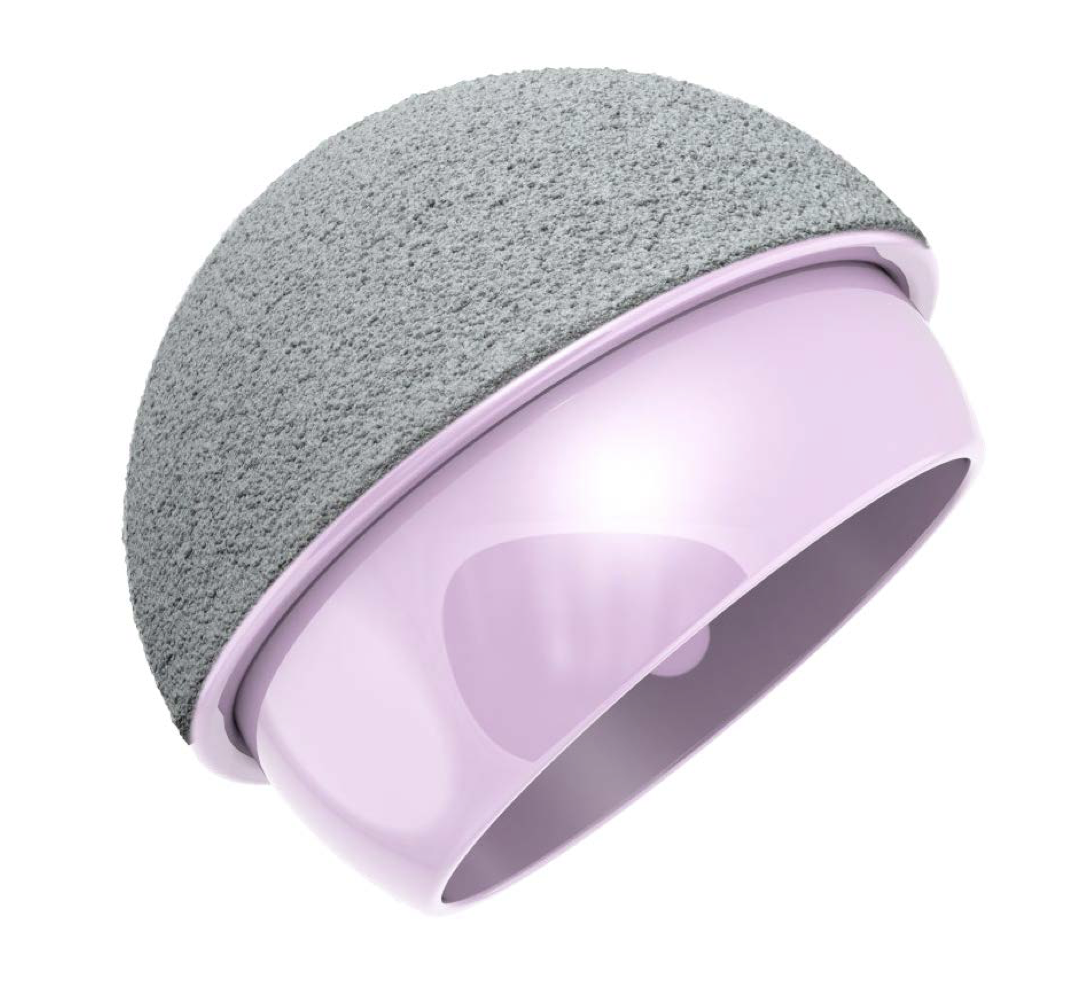
The introduction of ceramic resurfacing now allows both men and women to benefit from hip resurfacing procedures.
Links to both the Recerf (ceramic) and Adept (metal) resurfacing implants can be found below:
https://www.matortho.com/recerf
https://www.matortho.com/products/adept-hip-resurfacing-system
-
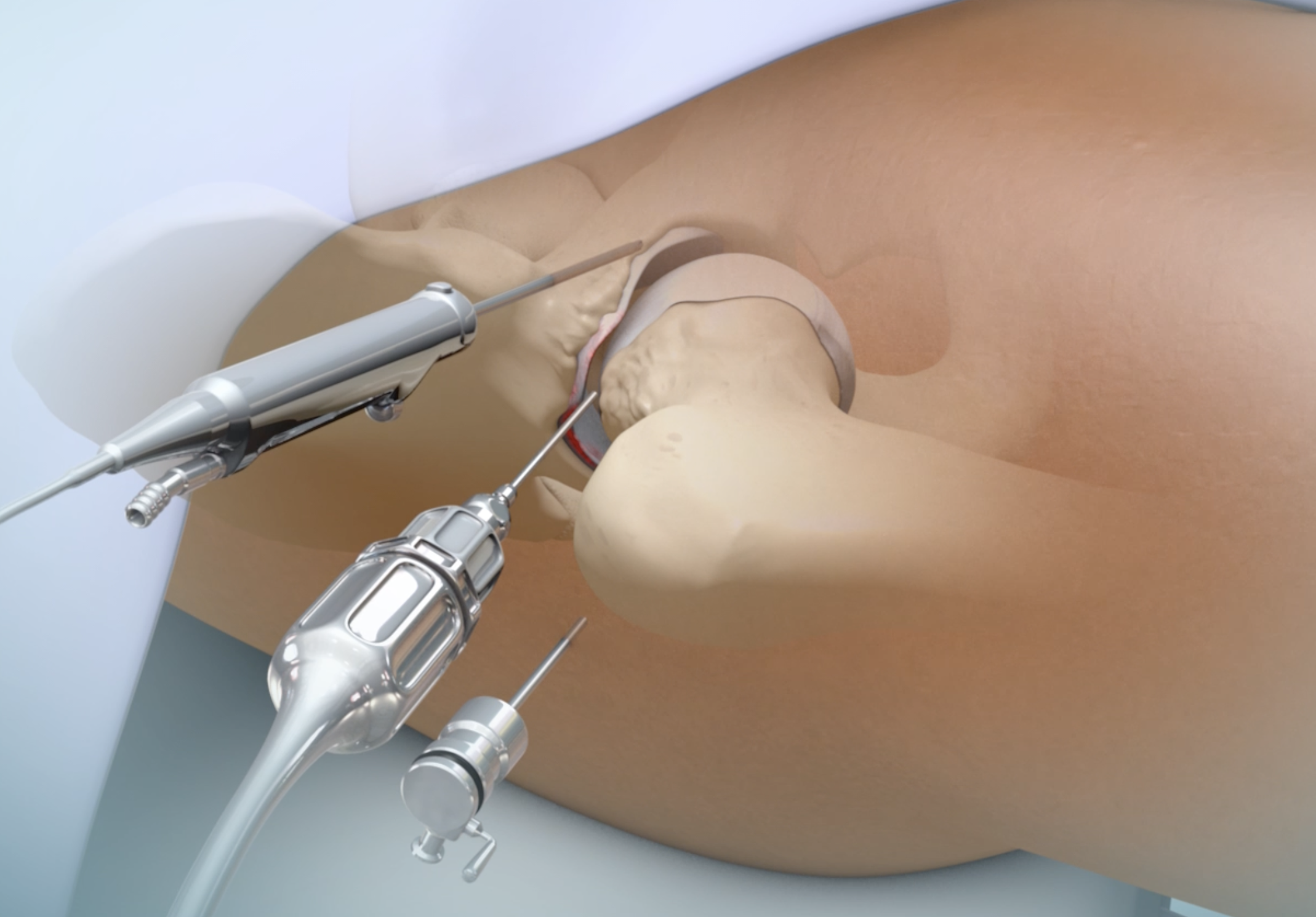
Hip arthroscopy is a minimally invasive, keyhole procedure designed to preserve the hip joint. The joint is accessed through 2–3 small incisions and visualised using a camera.
This procedure can treat structural conditions such as femoro-acetabular impingement and labral tears, as well as soft tissue problems like persistent iliopsoas pain, which may occur in association with total hip replacement or resurfacing.
-
Total hip replacements can be painful, problematic or sometimes fail for various reasons.
After investigation and counselling, a revision of your total hip replacement may be warranted. This would involve removing some or all of the existing implants and replacing them with new implants. This may be carried out over one or two surgeries, depending on what has caused the need for a revision.
-
Muscle or tendon injuries can occur suddenly from intense physical or sporting activity. They can become chronic or recurrent and may not respond to physiotherapy. Surgical repair can be performed on the following:
Rectus femoris proximal avulsion and central tendon injuries
Hamstring proximal avulsion and central tendon injuries
Quadriceps tendon rupture
Hip abductor or gluteal tears
Technologies used by Mr Raymond